
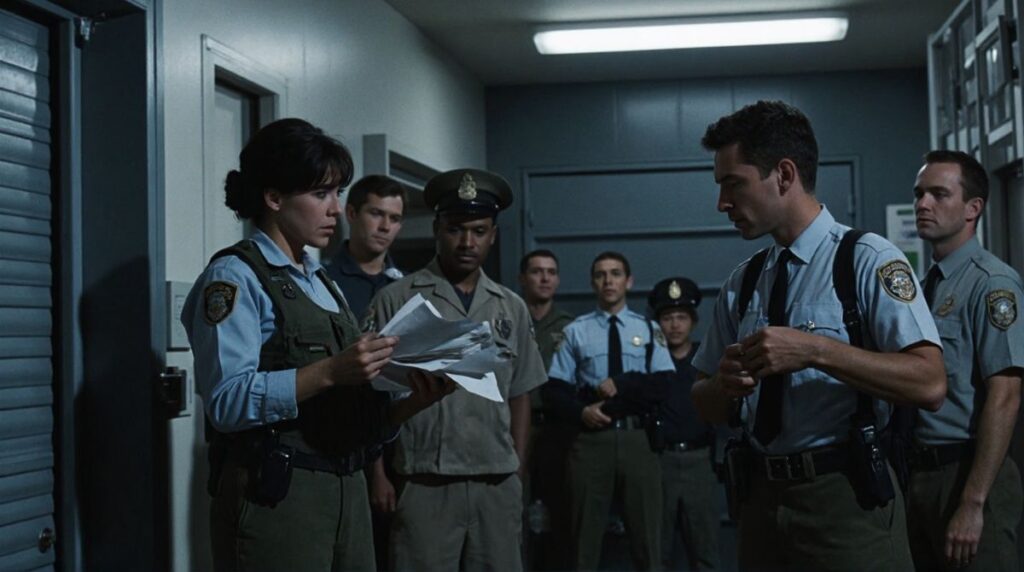

Washington — Under President Donald Trump’s renewed push on immigration enforcement, thousands of federal agents who once focused on drug trafficking, organized crime, and child exploitation are being redirected toward the mass detention and deportation of undocumented immigrants. This shift has raised alarm among law enforcement officials, legal experts, and advocacy groups, who warn the reallocation of resources may undermine the fight against serious criminal offenses.
Exclusive Offer for Our Readers!
Discover an amazing deal available only for our audience. Don’t miss out—act now!
A Change in Priorities
Federal agencies including Homeland Security Investigations (HSI), Customs and Border Protection (CBP), and even units within the FBI have reportedly had agents reassigned from traditional crime-fighting roles to immigration enforcement duties. According to insiders, this reorganization has led to staffing cuts in specialized units, delays or cancellation of ongoing investigations, and low morale among agents.
According to a WSJ report, the shift is among the most significant adjustments in federal law enforcement in recent years, with thousands of agents diverted from complex investigations like drug rings, money laundering, and human trafficking to perform immigration raids and deportation operations.
Impact on Crime Investigations
One of the core concerns is that investigating serious crimes requires continuity, deep knowledge, and long-term intelligence work. When agents are pulled away mid-case or entire task forces disbanded, those investigations often stall or collapse.
Former agents and prosecutors say this disruption weakens institutional memory, damages informant relationships, and slows prosecutions. Some units have lost entire leadership teams, while experienced personnel have resigned rather than accept new immigration roles.
Additionally, key crimes like human trafficking and child sexual exploitation often operate across jurisdictions and require coordination—resources now in shorter supply. The Guardian reports that many federal anti-trafficking efforts across the State Department, DHS, and Justice Department have been scaled back under Trump’s policy shifts.
Exclusive Offer for Our Readers!
Discover an amazing deal available only for our audience. Don’t miss out—act now!
A Surge in Non-Criminal Detentions
The policy change has also resulted in a dramatic increase in arrests of immigrants accused only of violating immigration laws—but not of committing violent or drug-related crimes. Reuters data shows that ICE detentions of non-criminal individuals have surged by approximately 800% since the change in enforcement priorities.
NBC’s reporting reveals that, between October and May, only a small fraction of those arrested by ICE had been convicted of homicide (6%) or sexual assault (11%), despite emphasis on “criminal aliens” in the administration’s rhetoric.
This mismatch has led critics to argue that the strategy prioritizes immigration quotas over public safety, diluting efforts to target truly dangerous offenders.
Political Accountability and Oversight
In response to media and congressional scrutiny, U.S. Senator Ron Wyden has called for an investigation by the Department of Homeland Security’s Inspector General into reports that HSI agents were diverted from high-priority criminal cases to focus on deportations.
Wyden warned that the shift could leave vulnerable communities and child victims unprotected. He emphasized that investigations into child sexual exploitation must remain a top priority.
Advocacy groups also criticize the tactic as a political maneuver that conflates immigration enforcement with general crime control, reducing public safety in favor of fulfilling deportation targets.
Arguments in Favor
Supporters of the policy, including top administration officials, defend it as a necessary step to maintain national security, border integrity, and law and order. They argue that the U.S. must enforce immigration laws vigorously, and that undocumented immigrants contribute to crime and cross-border smuggling.
The administration contends that applying federal resources toward immigration enforcement will deter illegal entry and align with public demand for stricter border protection. Some officials claim this reallocation is necessary to manage the “invasion” of undocumented migrants.
Moreover, some defend the approach by citing limited government budgets, arguing that enforcement must shift where the executive deems the greatest need.
Exclusive Offer for Our Readers!
Discover an amazing deal available only for our audience. Don’t miss out—act now!
Risks and Unintended Consequences
However, many analysts warn the reallocation may backfire:
- Weakening Crime Control: Vital investigations may go cold, allowing criminal networks and traffickers to continue operations with less oversight.
- Community Fear: Immigrant communities might become reluctant to cooperate with police, fearing that any contact could lead to immigration consequences.
- Resource Strain: Local law enforcement agencies are being pressed to fill the gap, but many lack the funding or jurisdiction to properly prosecute major crimes.
- Policy Backlash: If public safety deteriorates, political backlash may undermine the administration’s goals.
What to Watch
- Prosecution rates in drug, human trafficking, and sex crime cases over the coming quarters.
- Resignations or transfers of federal agents in HSI, CBP, and Justice Department units.
- Inspector General findings into HSI reassignments.
- Legislative responses, especially from Congress members concerned about public safety and resource allocation.
- Community trust levels, particularly in immigrant neighborhoods, and whether crime reporting declines.
Sources:
- The wall street_ low morale among agents.
- The guardian