
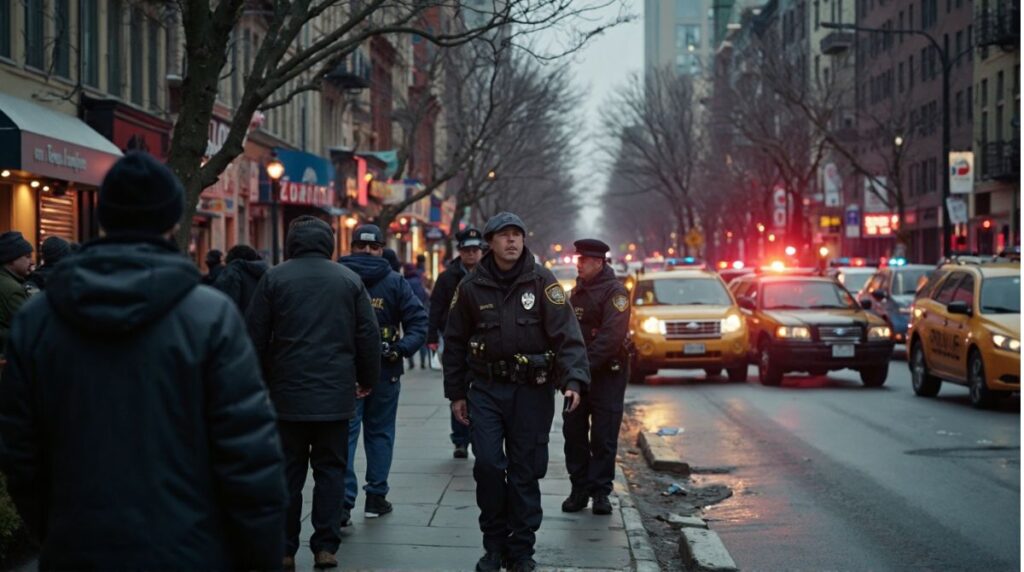

On the early morning of Saturday, September 13, 2025, a tragic incident shook the Jackson Heights neighborhood of Queens, New York. A 16-year-old girl, Jhoanny Gomez-Alvarez, was fatally struck by a 2009 Chevy Suburban driven by a 38-year-old man, Edwin Cruz Gomez from Uniondale. The shocking event began outside a local bar, where a confrontation led Gomez to allegedly jump the curb and intentionally hit Gomez-Alvarez and her 32-year-old mother. After the collision, Gomez attempted to flee the scene but crashed into a parked vehicle and was subsequently arrested. He now faces murder and driving while intoxicated (DWI) charges (CBS News).
Gomez-Alvarez was pronounced dead at the scene, while her mother was hospitalized at Elmhurst Hospital in stable condition. Surveillance footage captured the moments leading up to the incident, showing the driver mounting the sidewalk and striking the victims. The community has expressed shock and sorrow, remembering the girl and her family as friendly and well-loved neighbors (NY Post).
This tragic case highlights the ongoing concerns about pedestrian safety in New York City and the devastating consequences of impaired driving. Local authorities continue to advocate for stricter traffic enforcement and public awareness campaigns to prevent similar tragedies in the future.
Understanding New York City’s Crime Trends in 2025
While this heartbreaking incident made headlines, it is also essential to understand the broader crime landscape of New York City as of September 2025. The city has seen a mix of improvements and persistent challenges, with trends varying across neighborhoods and crime types.
Decline in Violent Crime
Recent statistics show a significant decrease in violent crimes, particularly shootings and homicides. According to the NYPD’s CompStat reports, the first half of 2025 recorded only 264 shootings and 112 homicides from January to May, marking the lowest figures since record-keeping began (NYPD Official). Analysts credit this reduction to targeted policing strategies, increased community engagement, and investment in high-risk neighborhoods.
Despite these improvements, certain violent offenses remain a concern. Felony assaults continue to occur daily, with approximately 80 reported incidents in the first half of 2025. Misdemeanor assaults have also risen slightly, reflecting societal stressors and challenges in maintaining public safety.
Property Crimes: A Mixed Picture
Property crimes have presented mixed results. While grand larcenies and auto thefts have declined, petty theft and burglary remain problems in some areas. August 2025 saw a 6.7% overall drop in major crimes compared to the same month last year (NYPD Reports). However, residents in neighborhoods affected by frequent petty theft still report feeling unsafe, highlighting the importance of community vigilance and crime prevention programs.
High-Profile Cases and Community Impact
The tragic Queens hit-and-run is one of several high-profile incidents drawing public attention. Others include assaults, officer misconduct, and legal disputes over sexual harassment or assault, showing that while overall crime statistics may be improving, individual events can profoundly impact communities. Public perception often lags behind statistical improvements, and residents in areas with frequent minor crimes may still feel insecure.
Community engagement and support networks play a crucial role in mitigating the impact of these incidents. Local organizations, schools, and neighborhood watch programs help foster safety awareness and provide resources to prevent crime.
Strategies for Enhancing Public Safety
To continue improving safety in New York City, experts recommend a combination of law enforcement, community engagement, and public awareness campaigns:
- Enhanced Community Policing: Building trust between officers and residents fosters better communication and cooperation, which can prevent crimes and improve response times.
- Targeted Intervention Programs: Focusing on neighborhoods with higher crime rates allows for more effective allocation of resources, from youth programs to surveillance initiatives.
- Public Education: Campaigns to raise awareness about pedestrian safety, DWI prevention, and reporting suspicious activity empower residents to contribute actively to their community’s safety.
- Support Services: Providing resources for mental health, substance abuse, and domestic violence can address root causes of crime, reducing the likelihood of future incidents.
Conclusion
The tragic death of Jhoanny Gomez-Alvarez is a painful reminder of the ongoing risks associated with impaired driving and pedestrian safety in New York City. At the same time, crime data in 2025 reveals a city that is making measurable progress in reducing violent and property crimes. Continued efforts in law enforcement, community engagement, and public education are essential for sustaining these improvements.
For residents and visitors alike, awareness and vigilance remain crucial. Understanding the broader crime landscape, advocating for safe driving practices, and participating in local safety programs can help create a safer environment for everyone in New York City.
Sources:


Your point of view caught my eye and was very interesting. Thanks. I have a question for you.
Your article helped me a lot, is there any more related content? Thanks! https://www.binance.com/da-DK/register?ref=V3MG69RO