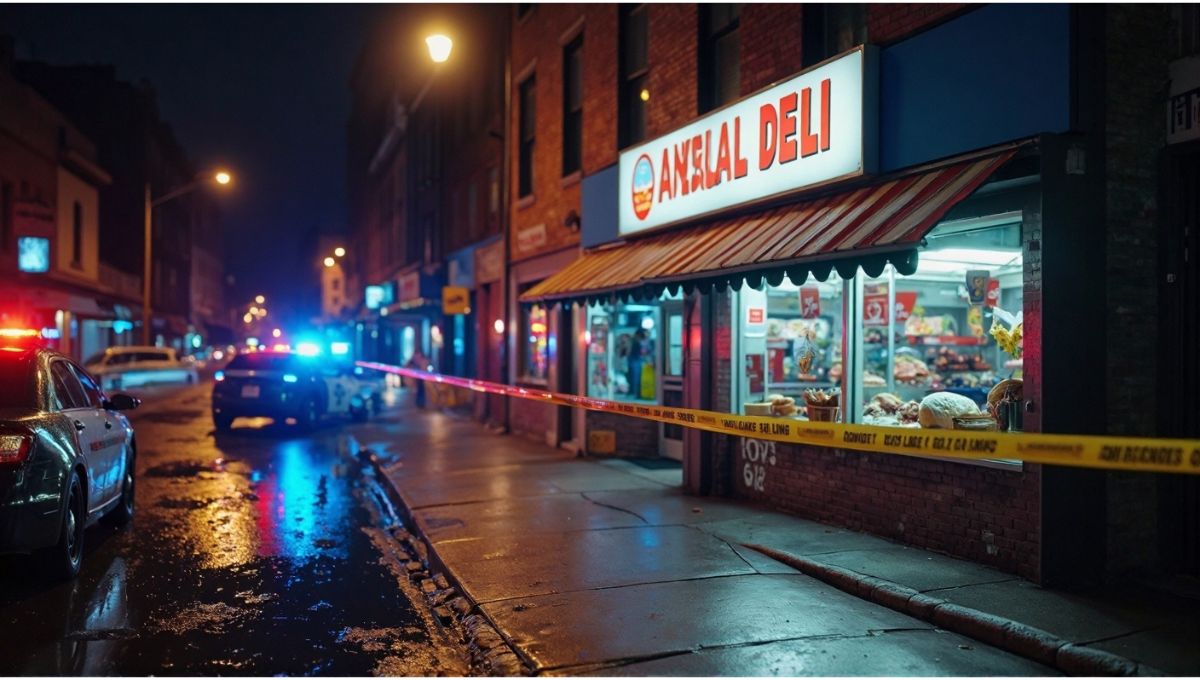


It was one of those Connecticut nights that felt rehearsed in their calm. Streetlights flickered against empty sidewalks, the hum of distant traffic softened into background music, and the air itself seemed to promise nothing but routine. Milford breathed quietly.
Then came the knock. Not thunder, not sirens—just a knock at the door. Behind it stood a man with an axe, carried not by stealth, but openly—delivered by a rideshare driver who would unknowingly deliver chaos to a doorstep. In an instant, the illusion of safety dissolved.
From ride to tragedy
The story begins in Roxbury. A Lyft driver accepts a fare. A man named Ewen Dewitt slides into the back seat. To the casual eye, he looks like any other passenger. But the ordinary unravels quickly.
Witnesses would later recall glimpses of the weapon—a large axe, too obvious to be ignored. Yet the car kept moving. The driver made no call, raised no alarm. Along the way, Dewitt even stopped for liquor and supplies, his purpose sharpening with each passing mile.
The destination: the condo of his former partner, Julie Minogue.
There, beneath the fragile glow of suburban comfort, the night mutated into horror. Dewitt forced his way inside. What followed was unspeakable—a brutal act of violence, committed in front of Julie’s children, forever altering the fabric of their lives.
The chilling lawsuit
Now, Milford finds itself not only grieving but questioning. A lawsuit has emerged, pointing its gaze not just at Dewitt’s brutality but at the driver who ferried him there.
The allegation is stark: negligence. That the driver failed to act when the signs of danger—clear, visible, undeniable—were right in front of him. Should he have stopped? Called the police? Refused the ride?
The case has pulled the courts into uncharted territory: does a driver’s responsibility extend beyond their paying passengers? Could the safety of a stranger—someone waiting at the end of the ride—be grounds for accountability?
It’s a question with chilling implications, stretching far beyond Milford, into every carpool, every delivery, every moment when trust is placed in the ordinary.
A community haunted by unanswered questions
In the days since, Milford has worn its grief quietly. Neighbors whisper behind closed doors, the words “what if” echoing through living rooms and church halls. A lawsuit lingers in the courts. Media headlines flash, then fade. But the scar remains.
Because beneath the legal jargon and procedural hearings lies something more human: the haunting realization of how fragile the boundary is between normalcy and nightmare.
One ride. One weapon in plain sight. One silence that lasted too long.
And a question that refuses to fade:
Was this tragedy inevitable—or could it have been stopped?