
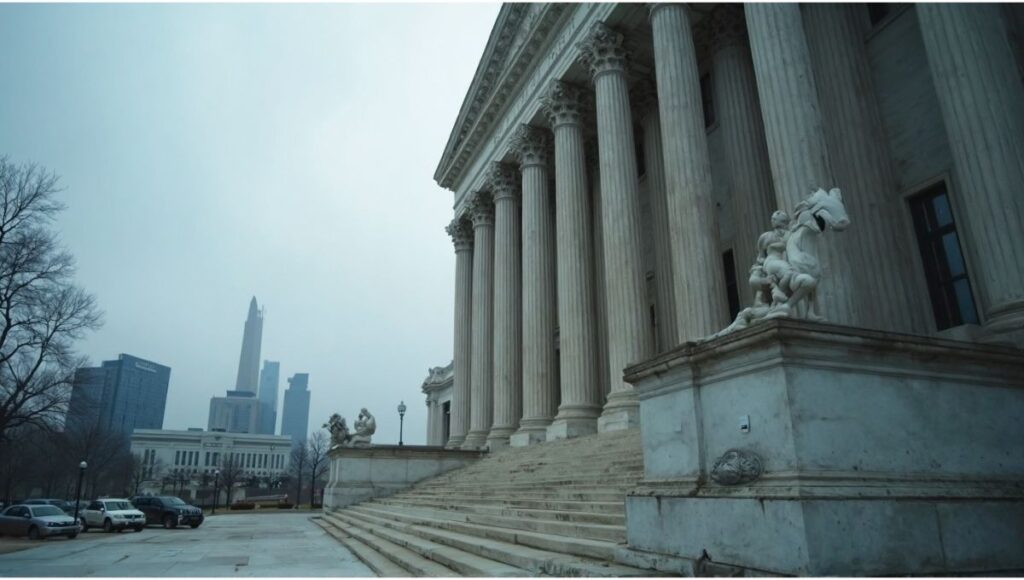

In recent days, American politics has been shaken by a series of dramatic developments that signal a new chapter in the nation’s governance and political battles. From President Donald Trump’s controversial decision to rename the Department of Defense back to the historic Department of War, to ongoing legal investigations targeting high-level officials, and the surge of digital campaign funding led by the Winklevoss twins, the political scene in the United States is buzzing with stories that capture both national and global attention.
This blog post takes a closer look at these three headline-making events, analyzing their impact on U.S. politics and what they may mean for the future.
The Department of War: A Name from the Past Returns
President Trump announced this week that he intends to sign an executive order to officially rename the Pentagon’s Department of Defense as the Department of War. The move is symbolic yet deeply controversial. Historically, the Department of War existed until 1947, when it was restructured and renamed during the Truman administration to reflect a broader vision of defense rather than aggression.
By reviving the name “War,” Trump is sending a strong political message. Supporters argue that it reflects honesty about America’s global role and its military priorities. Critics, however, claim that the decision glorifies militarism and undermines decades of diplomatic framing that emphasized defense over war.
If Trump follows through without congressional approval, legal and political debates are certain to escalate. This symbolic shift could reshape how both allies and adversaries perceive U.S. foreign policy in the coming years.
Legal Investigations Shake the Administration
While Trump pushes bold symbolic changes, his administration is also grappling with legal turbulence. Federal prosecutors have opened a criminal investigation into Lisa Cook, a Federal Reserve governor, following allegations of financial misconduct related to mortgage dealings. Although the details remain under investigation, the case adds fuel to ongoing debates about transparency and corruption in U.S. institutions.
In addition, courts are pressing the Trump administration to release previously frozen foreign aid funds. This legal battle highlights the constant tug-of-war between executive authority and judicial oversight. Together, these legal challenges reveal a political environment in which accountability, rule of law, and political loyalty are constantly colliding.
For everyday Americans, such investigations often translate into growing distrust in government institutions. For Trump’s critics, they are proof of systemic issues. For his supporters, they are dismissed as politically motivated “witch hunts.” Either way, the legal spotlight on high-ranking officials continues to shape the political narrative.
Digital Funding: The Winklevoss Twins Enter the Scene
Another groundbreaking development in American politics is the increasing influence of digital campaign financing. This week, Tyler and Cameron Winklevoss—the billionaire founders of Gemini and pioneers in cryptocurrency—announced contributions of over $32 million to the “Digital Freedom Fund,” a political action committee aligned with Trump’s agenda.
This level of funding marks a turning point in the role of technology and digital wealth in elections. Unlike traditional donors tied to corporate or grassroots fundraising, the Winklevoss twins represent a new era where crypto wealth and digital assets are being used to influence mainstream politics.
For Trump, this is a major boost ahead of the 2026 midterm elections. With these resources, his campaign and allies can expand their digital presence, reach younger voters, and counteract the financial power of Democratic donors. For the broader political system, it raises urgent questions: How will digital wealth reshape democracy? Are we entering a future where crypto billionaires wield as much influence as Wall Street or Silicon Valley elites?
What These Developments Mean for U.S. Politics
When viewed together, these three events—renaming the Pentagon, legal investigations, and digital funding—highlight the evolving dynamics of U.S. politics in 2025. Trump’s administration is defined by bold symbolism, constant legal battles, and an unprecedented embrace of digital-age resources.
The renaming of the Department of War speaks to Trump’s willingness to rewrite history and project power through language. The investigations remind us that political power is always checked by legal scrutiny, even in polarized times. The massive injection of digital funding shows that the future of American campaigns will be fought not just in rallies and debates, but also in algorithms, platforms, and blockchain-backed dollars.
For readers, analysts, and voters alike, these stories provide a snapshot of where the United States is heading: a nation wrestling with its past, debating its present, and experimenting with its political future.
Final Thoughts
As America continues to navigate this turbulent era, one thing is clear: the country’s politics are being shaped by decisions and developments that stretch far beyond traditional governance. Whether it’s a controversial name change at the Pentagon, courtroom dramas, or the growing power of digital funding, these headlines reflect a nation in transformation.
For anyone following U.S. politics, these moments are not just news—they are defining markers of an age where power, money, and symbolism intersect in ways we have never seen before.
📚 Sources:
- The Guardian – Trump plans to rename Pentagon ‘Department of War’
- AP News – Trump hosts tech leaders dinner at the White House
- CBS News – Tech giants meet Trump at White House dinner



Thanks for sharing. I read many of your blog posts, cool, your blog is very good.
Thanks for sharing. I read many of your blog posts, cool, your blog is very good.