
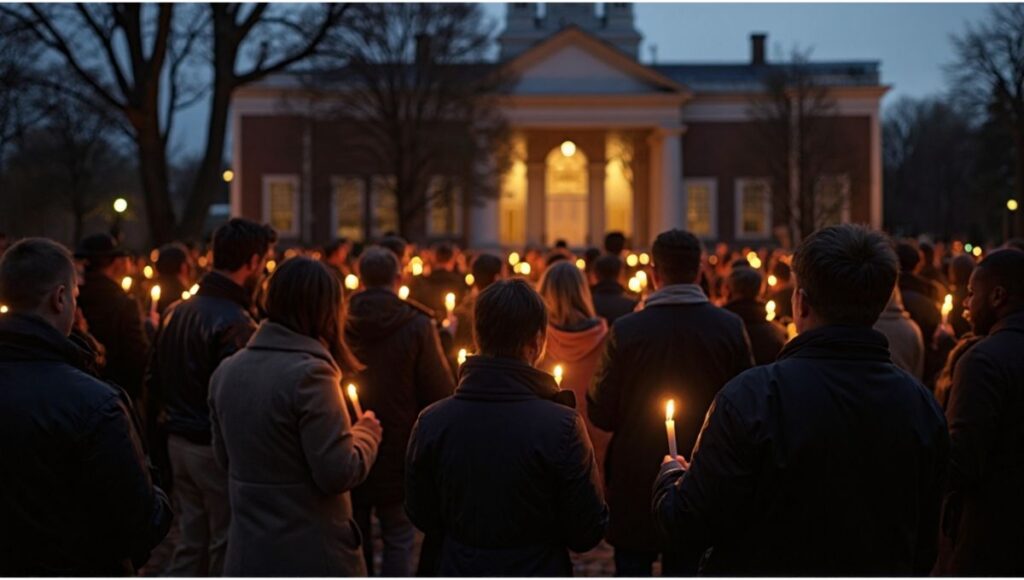

Washington State, often celebrated for its stunning natural landscapes and vibrant urban centers, has also been making headlines recently for more sobering reasons. A series of high-profile crime incidents has reignited discussions around public safety, policing, and community resilience. From ongoing manhunts to tragic family-related crimes, Washington’s criminal landscape reveals both the progress and the challenges facing the Evergreen State.
This article provides an in-depth look at the recent crimes in Washington, the FBI’s ongoing investigations, and the broader context of safety trends, all while exploring what these developments mean for residents and policymakers.
The Travis Decker Manhunt: A Case That Shocked the State
Perhaps the most talked-about case in recent weeks is the FBI’s search for Travis Decker, the Washington man charged with the brutal killing of his three young daughters.
The case has horrified communities across the state, both for its unimaginable violence and for the intensity of the investigation that followed. Authorities launched a massive manhunt after Decker fled, sparking public alerts and an outpouring of concern from parents and community leaders.
Recently, investigators discovered remains near the Rock Island Campground in Chelan County. While initial speculation suggested they could be tied to the case, the FBI later confirmed the remains were not human, prolonging the search and deepening public anxiety.
For Washingtonians, this case underscores the emotional toll that high-profile crimes can have—not just on the victims’ families, but on the sense of safety for entire communities.
Washington’s Crime Trends: The Bigger Picture
While shocking cases dominate headlines, it’s important to step back and look at the overall crime trends in Washington. According to statewide reports:
- Violent crime has decreased slightly in recent years, though the numbers remain higher than pre-pandemic levels.
- Property crimes, including car theft and burglary, continue to affect urban areas like Seattle and Tacoma.
- Washington consistently ranks among states with the lowest police staffing levels per capita, raising concerns about response times and long-term public safety.
Experts say the staffing shortage is one of the biggest obstacles to maintaining security in both metropolitan and rural areas. While cities like Seattle have launched initiatives to recruit and retain officers, the gap remains significant.
Community Responses and Resilience
Despite these challenges, communities across Washington are finding ways to respond to crime proactively. Local nonprofits, schools, and faith groups are working to support vulnerable populations, particularly youth who may be at risk of falling into cycles of violence.
For example, mentorship programs in King County aim to provide young people with alternatives to crime, focusing on education, job opportunities, and safe recreational spaces. Similarly, grassroots organizations in Spokane and Yakima are partnering with law enforcement to build trust and create community-driven solutions.
These efforts reflect a broader belief that public safety is not just about policing—it’s also about prevention, community engagement, and long-term investment in social infrastructure.
The Role of the FBI and Federal Agencies
Cases like the Travis Decker manhunt highlight the critical role of federal agencies in supporting state and local law enforcement. The FBI, U.S. Marshals, and Department of Justice often step in when crimes cross jurisdictions or require specialized resources.
In Washington, federal assistance has been particularly important in:
- Coordinating manhunts and fugitive recovery.
- Tackling organized crime and drug trafficking along interstate corridors.
- Providing forensic and investigative support for complex murder cases.
The collaboration between state authorities and federal agencies ensures that even in times of strained local resources, Washington communities still benefit from national-level expertise.
Looking Ahead: Building a Safer Washington
While crime will always be part of urban and rural life, Washington has opportunities to strengthen its public safety approach. Experts suggest three key steps:
- Invest in police recruitment and training to close staffing gaps.
- Expand community-based prevention programs, especially for at-risk youth.
- Strengthen mental health and social services, recognizing that many violent incidents are linked to untreated trauma or crisis.
The state government has already introduced proposals aimed at both enforcement and prevention, but long-term success will depend on consistent funding and bipartisan support.
The recent wave of crime stories from Washington—from the tragic Decker case to the broader discussions on staffing and safety—illustrates the complex challenges of modern policing. Yet, it also highlights the resilience of communities and the potential for meaningful reform.
As residents look ahead, the balance between law enforcement, prevention, and social investment will shape whether Washington becomes not only a place of natural beauty but also a model of community safety.
For now, all eyes remain on the ongoing FBI manhunt, a grim reminder of the work that still lies ahead.
Sources:
- People Magazine – Crime Section
Travis Decker Manhunt Continues as Remains Found Near Washington - KUOW – Public Radio Seattle
Crime trends and police staffing in Washington


Thanks for sharing. I read many of your blog posts, cool, your blog is very good.